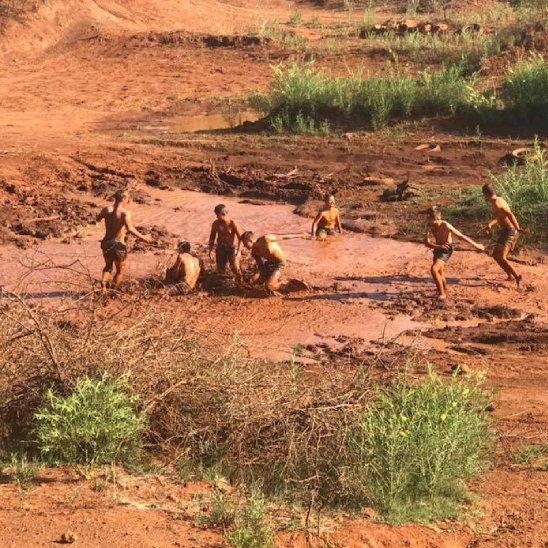

Responsible Tourism at Mbizi Game Lodge & Spa, Limpopo

Responsible tourism starts with simple choices: where you stay, how you use water and energy, what you leave behind, and how you treat the people and wildlife around you. At Mbizi Game Lodge & Spa, guests can enjoy the Waterberg bushveld while keeping their impact in mind.
The setting makes that responsibility easy to understand. Open land, wildlife, indigenous vegetation, and nearby communities are part of the experience, not a backdrop to it.
A careful visit protects more than a holiday destination. It helps preserve the reasons people travel to the Waterberg in the first place.
What Responsible Tourism Means in the Waterberg
Responsible tourism asks travellers and tourism businesses to consider the environmental, social, and economic effects of every stay. The aim is to reduce harm while making sure local places and people benefit from tourism.
In the Waterberg, that means treating water, wildlife, and natural spaces as limited resources. It also means respecting local rules, supporting nearby businesses where practical, and avoiding behaviour that damages the land.
Guests do not need expert knowledge to make better choices. Using less water, taking rubbish back to the correct disposal point, and following wildlife guidelines all matter.
Accommodation choices play a part too. A camping stay, self-catering break, or villa holiday can each be managed carefully when guests avoid waste and use facilities as intended.
Responsible travel is not about removing comfort from a holiday. It is about enjoying that comfort without assuming the surrounding environment can absorb unlimited pressure.
Conservation Tourism and Why the Bushveld Depends on It
Conservation tourism connects travel with the protection of natural areas. Visitor income can help sustain destinations where wildlife, vegetation, and open land are central to the tourism offering.
The bushveld depends on healthy habitats. Soil, water, plants, insects, birds, and larger animals form part of the same system, even when guests notice only the most visible wildlife.
Conservation tourism also depends on good visitor behaviour. Driving only where permitted, keeping noise under control, and leaving plants, rocks, and animal remains where they are all reduce unnecessary disturbance.
Feeding wildlife should be avoided. Human food can alter natural behaviour, create dependence, and place animals at risk when they begin approaching camps or vehicles.
Guests can also report damaged facilities, litter, or unsafe behaviour to lodge staff. Small observations may help prevent a larger problem.
The best wildlife encounter is one that does not change what the animal would have done without you there.
Choosing an Eco-Friendly Getaway Without Losing Comfort
An eco-friendly getaway does not need to feel basic or inconvenient. Comfort and careful resource use can exist together.
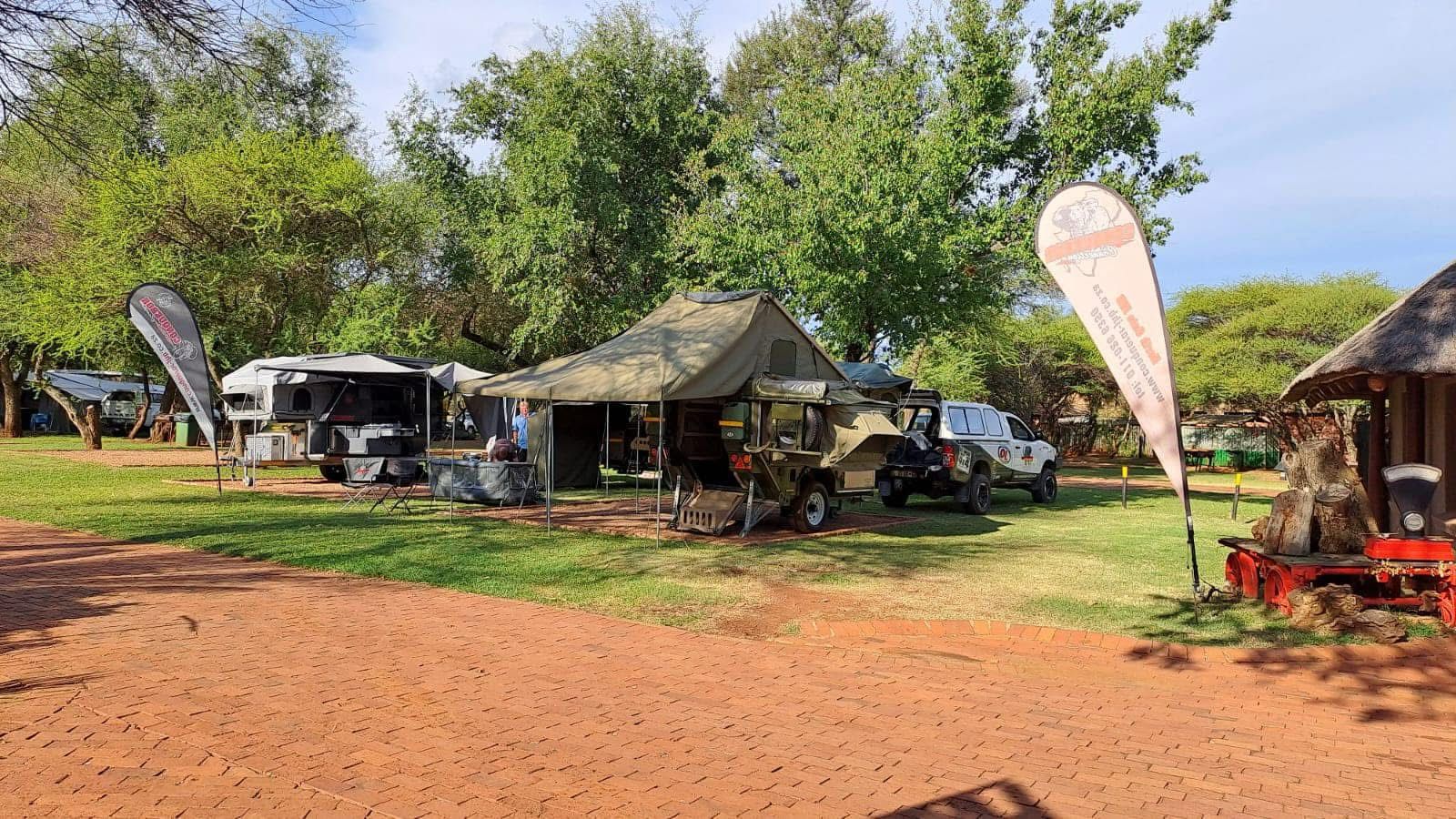
Mbizi offers different types of accommodation, including camping stands, private campsites, self-catering units, and luxury mountain villas. Each option gives guests some control over how much they use and bring.
Campers can pack reusable containers, refillable water bottles, and washable crockery instead of relying on disposable items. Self-catering guests can plan meals in advance to reduce food waste and unnecessary packaging.
Villa and chalet guests can switch off lights, air-conditioning, and appliances when leaving the unit. Towels do not need to be replaced after every use during a short stay.
Families should choose accommodation that fits the group rather than booking more space than they need. This can reduce energy use while also keeping the stay practical.
Comfort still matters. A responsible break should leave guests rested, not frustrated.
Sustainable Travel Habits Guests Can Adopt at Mbizi
Sustainable travel is most useful when it becomes part of ordinary behaviour. Guests can begin before leaving home.
Pack only what is needed, combine journeys where possible, and make sure vehicles are properly maintained. Correct tyre pressure and sensible driving can reduce fuel use.
At the lodge, use water carefully when showering, washing dishes, or cleaning camping equipment. Report leaking taps rather than assuming someone else will notice.
Sort waste according to the facilities available on site. Do not leave cigarette ends, bottle tops, food scraps, or small pieces of plastic around campsites.
Keep reusable shopping bags and food containers in the car. These are useful for groceries, leftovers, and day trips.
Families can involve children by giving them simple responsibilities. One child can check that lights are off, while another makes sure no litter is left behind after a picnic.
These habits are small. Their value increases when many guests practise them consistently.
Why Mbizi Is a Leading Example of Ecotourism in South Africa
Claims about ecotourism in South Africa should be supported by clear evidence. A lodge’s location in a natural area does not automatically make every part of its operation environmentally responsible.
Mbizi’s strongest connection to ecotourism is its bushveld setting and the way guests experience it. Game walks, open spaces, camping, and nature-based activities bring visitors into direct contact with the Waterberg environment.
The lodge also offers varied accommodation, which allows guests to choose a stay suited to their needs rather than follow one fixed format. The Caravan Park, private campsites, self-catering units, and villas support different group sizes and budgets.
Guests can strengthen the environmental value of that stay through careful choices. Low-waste packing, sensible water use, respect for wildlife, and support for local businesses all contribute.
Credible ecotourism information should show what is being done, how it is measured, and what guests can do to help.

Community-Based Tourism and Supporting Bela-Bela Locally
Community-based tourism aims to keep more tourism value within the area being visited. Local employment, local suppliers, and locally owned services can all contribute.
Guests can support the wider Bela-Bela area by buying from local shops, using nearby services, and treating residents with respect. Spending does not need to be large to have an effect.
Ask where local products can be found, especially food, crafts, and practical supplies. Choose items that are genuinely made or produced in the area rather than assuming every souvenir is local.
Visitors should also respect local roads, noise levels, and private property. Tourism works best when residents do not have to carry the cost of careless visitor behaviour.
Groups planning events can ask how suppliers are selected and whether local service providers are available. This may be relevant for conferences, family gatherings, and guests researching wedding venues in Bela-Bela.
Mbizi’s Troupant venue can host weddings and corporate events, with a reception hall, chapel, and flexible accommodation options. Event organisers can reduce waste by confirming guest numbers, limiting single-use décor, and planning food quantities carefully.
Community-based tourism is strongest when local benefit is built into the booking and planning process, not added as an afterthought.
Nature Conservation in South Africa Starts in Places Like the Waterberg
Nature conservation in South Africa depends on protected areas, private landowners, tourism operators, communities, and visitors working towards the same outcome. No single group can protect an entire landscape alone.
The Waterberg is valuable because its natural character extends beyond one property. Wildlife movement, water systems, vegetation, and fire management do not follow tourism boundaries.
Visitors contribute by following access rules and avoiding damage. Sticking to marked routes reduces erosion and limits disturbance to sensitive ground.
Plants should not be removed, even when they appear common. Stones, feathers, nests, and animal remains should also be left in place.
Noise deserves attention. Loud music, shouting, and unnecessary vehicle noise can affect other guests and disturb wildlife.
Night lighting should be kept to what is needed for safety. Excessive light changes the atmosphere of the bushveld and may affect nocturnal animals and insects.
The Waterberg remains appealing because it still feels open and alive. Conservation protects that character.
Ethical Travel Choices That Protect Wildlife Habitats
Ethical travel requires travellers to think beyond what is allowed and consider what causes the least disturbance. A legal activity can still be careless if it ignores the needs of wildlife or other visitors.
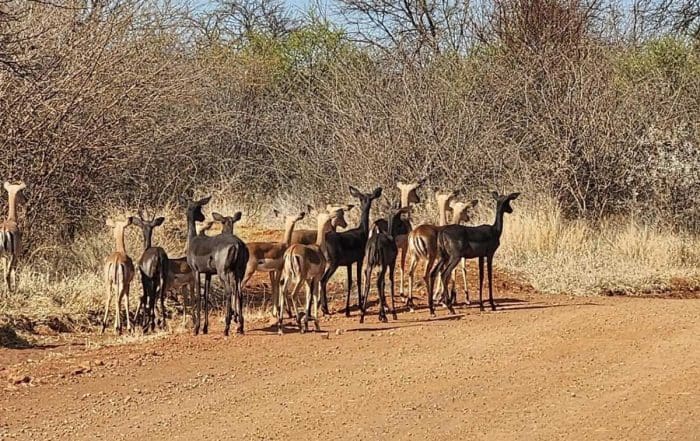
To protect wildlife habitats, keep a safe distance from animals and never pressure them for a photograph. Do not block routes, follow animals closely, or encourage children to approach them.
Guests should remain on approved roads and paths. Driving into undisturbed areas can damage vegetation, compact soil, and disrupt nesting or shelter sites.
Food storage is also important. Secure rubbish and ingredients so that animals are not drawn into campsites.
Avoid products made from threatened plants or wildlife parts. When buying crafts, ask what materials were used if anything appears to contain feathers, shells, skins, teeth, or bone.
Ethical travel also includes honest communication. Guests should not share the precise location of sensitive species or nesting sites on public platforms.
A photograph is never worth placing an animal or habitat under pressure.
Malaria-Free, Low-Impact: What Makes the Waterberg Different
The Waterberg is commonly promoted as a malaria-free region, which can make it attractive to families, older travellers, and guests who prefer not to take malaria medication. Travellers should still check current health guidance before departure, as personal medical advice and regional conditions may change.
A malaria-free destination is not automatically a low-impact one. Visitor choices still affect water use, waste, traffic, noise, and wildlife behaviour.
Low-impact travel begins with scale. Smaller groups can often move more quietly, use fewer resources, and place less pressure on shared facilities.
Families and event groups can reduce their footprint by travelling together where practical. Shared shopping lists and planned meals also prevent duplicate purchases.
Guests staying in the caravan park should use designated electrical points, ablutions, and braai areas correctly. Fires must be managed with care, especially during dry conditions.
Self-catering visitors should avoid pouring cooking oil, chemicals, or food waste into drains or onto the ground. Staff can advise on suitable disposal where needed.
The Waterberg’s appeal rests on its landscape. Every stay should leave that landscape ready for the next guest and the wildlife that lives there.
World Tourism Day: Why September Is the Right Time to Visit Responsibly
World Tourism Day takes place on 27 September each year. It gives travellers and tourism businesses a reason to consider how tourism affects destinations, workers, communities, and natural resources.
September also marks a seasonal shift in the Waterberg. Warmer days and changing bushveld conditions can make outdoor stays appealing, though guests should prepare for dry conditions and follow current fire-safety guidance.
A World Tourism Day visit can be practical rather than symbolic. Choose reusable items, plan low-waste meals, and support local businesses during the trip.
Families can use the weekend to teach children why wildlife rules matter. A game walk, campsite clean-up, or conversation around the fire can make conservation more understandable than a lesson at home.
Companies using Mbizi for a conference or team gathering can review event waste, transport, and supplier choices. Even one change, such as removing unnecessary single-use items, can reduce the impact of a large group.
Guests should check current rates, facilities, and availability before booking. September dates may coincide with school, event, or holiday demand.
Responsible travel should continue after World Tourism Day. The date is a prompt, not a deadline.
FAQ: Responsible Tourism at Mbizi Game Lodge & Spa
Here are answers to some common questions about responsible tourism at Mbizi:
H3 – What is responsible tourism?
Responsible tourism aims to reduce negative environmental, social, and economic effects while increasing the benefits tourism brings to local places and people.
H3 – How can guests reduce their impact at Mbizi?
Use water and electricity carefully, avoid disposable items, follow wildlife rules, keep noise down, and dispose of waste correctly. Guests can also support local suppliers and businesses where practical.
H3 -Which accommodation suits a low-impact stay?
The best option depends on group size and needs. The Caravan Park, private campsites, self-catering units, and villas can all support a careful stay when guests limit waste and resource use.
H3 -Can families take part in responsible travel?
Yes. Children can help switch off lights, carry reusable bottles, check campsites for litter, and learn how to behave around wildlife.
H3 -How should guests behave around animals?
Keep a safe distance, do not feed wildlife, and avoid loud or sudden behaviour. Remain on approved routes and follow instructions from lodge staff.
H3 -Can weddings and events reduce their environmental impact?
Yes. Accurate guest numbers, local suppliers, reusable décor, shared transport, and careful food planning can reduce waste. Couples considering Mbizi’s Wedding Venues in Bela-Bela can discuss practical options with the events team.
H3 -Where can current booking information be found?
Review Mbizi Game Lodge & Spa’s accommodation, facilities, and rates information, then use the contact us page to confirm availability, lodge policies, and any questions about responsible guest practices.
Responsible tourism at Mbizi Game Lodge & Spa begins with choices guests can make before arrival and throughout their stay. Use less, waste less, respect wildlife, and support the surrounding area where possible. A careful visit allows families, couples and groups to enjoy the Waterberg without placing unnecessary pressure on it. Plan your stay around the lodge’s current accommodation, facilities, and rates, then leave the bushveld as you found it.