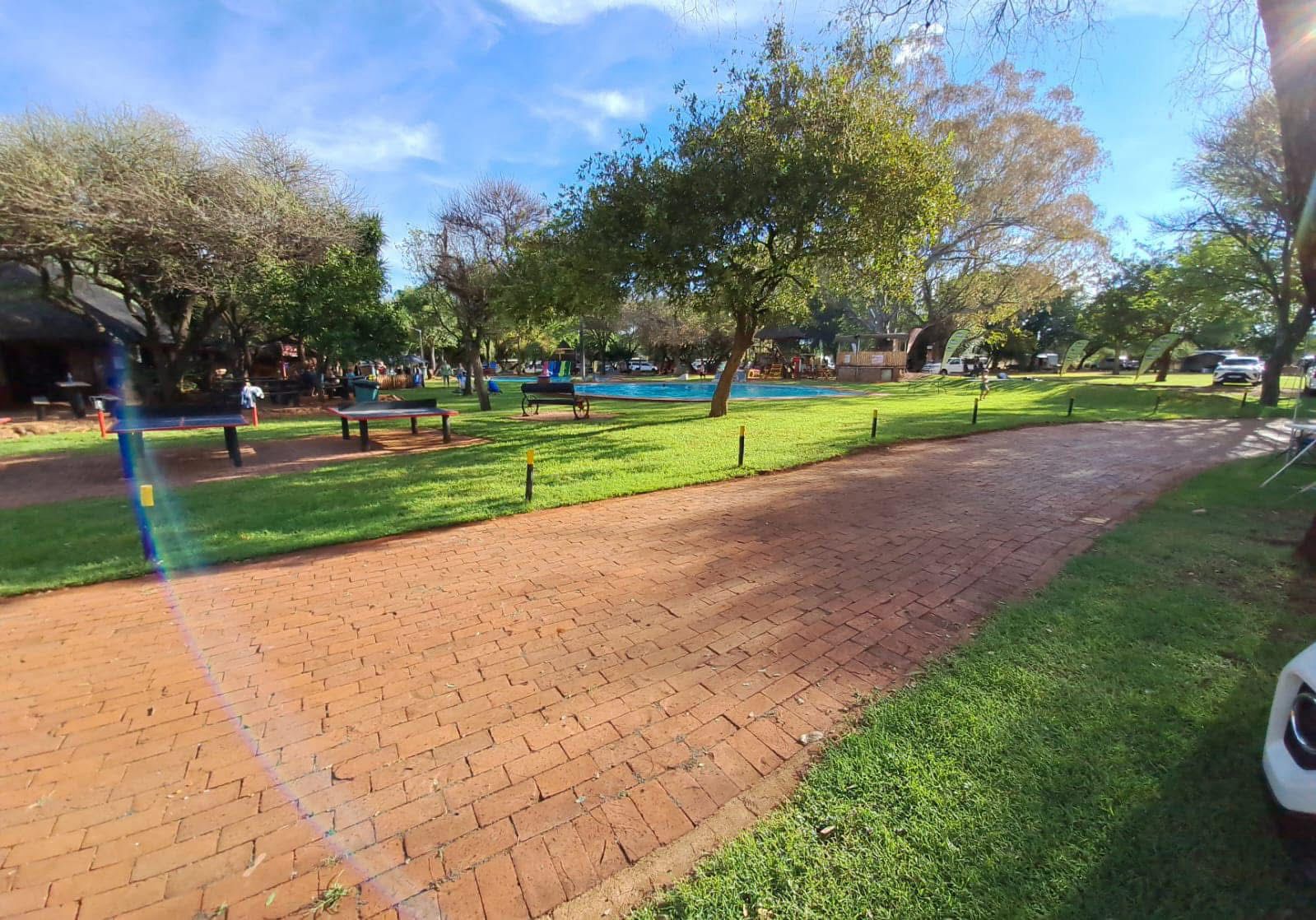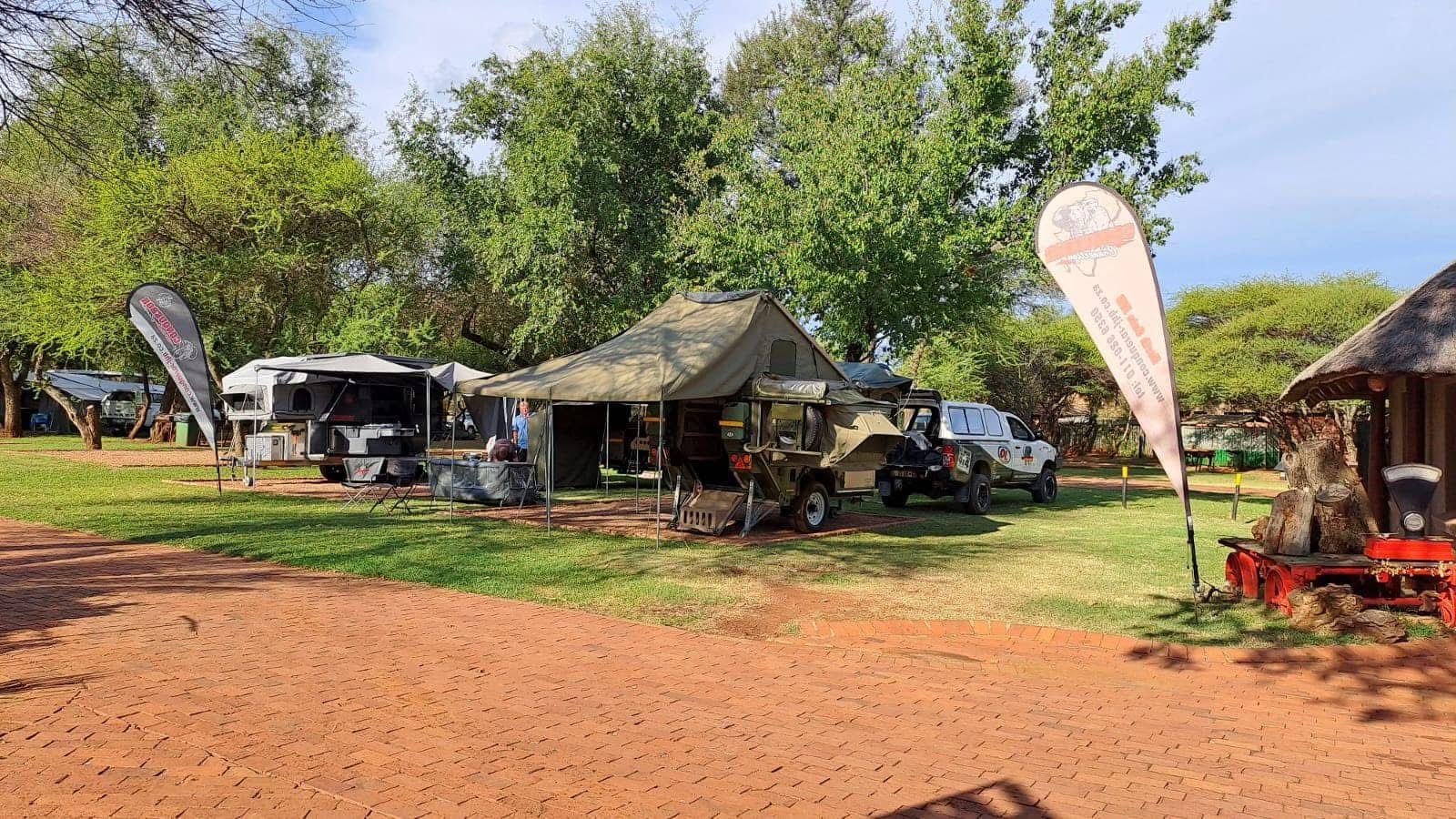


The rules of camping cover how to keep your site clean, respect fellow campers, and stay safe around fire, wildlife, and quiet hours. Following them, whether you are pitching a tent at Mbizi Game Lodge & Spa or staying at a caravan park, protects nature, respects others, and helps everyone make the most of their favourite outdoor activities.
Keep Your Campsite Clean: Leave No Trace Behind
One of the most important rules of camping is to keep the campsite clean and practise the Leave No Trace principle. These habits preserve nature and make camping better for everyone.
Golden rules for a clean campsite:
- Pack out all rubbish, including plastic, food scraps, and wrappers
- Use only designated fire pits for safe and fire-smart camping
- Do not damage plants or trees; avoid breaking branches or creating new paths
- Never leave food out; it attracts animals and creates a mess
- Wash dishes away from natural water sources using biodegradable soap
Be a Respectful Camper: Respect People and Space
Sharing a caravan park or self-catering units means practising camping etiquette that every camper should know. Being mindful of noise, space, and shared rules is part of the camping experience.
Tips for being a respectful camper:
- Keep noise low, especially at night, and avoid loud music or shouting.
- Don’t walk through other people’s campsites.
- Give neighbours space when choosing a tent site.
- Follow campsite rules, including pet control and speed limits.
- Help new campers if you see them struggling; community counts!
Lighting for Camping: Don’t Be Left in the Dark
As night falls, lighting for camping becomes essential for safety and comfort. Avoid the stress of moving around in the dark by preparing lighting options in advance.
Lighting tips every camper should follow:
- Bring a reliable headlamp for hands-free tasks.
- Use lanterns or battery-powered string lights for communal areas.
- Always pack extra batteries or a power bank.
- Test your camping gear before you leave home.
- Avoid blinding other campers with high beams or strong flashlights.
Camping Hygiene: Stay Fresh and Keep Nature Clean
Maintaining camping hygiene keeps you healthy and your site pleasant. Good hygiene also helps prevent wildlife problems and protects water sources.
Hygiene habits to adopt while camping:
- Use biodegradable soap for washing hands, dishes, and yourself.
- Store food in sealed containers or coolers.
- Use hand sanitiser when water is limited.
- Set up a handwashing station at your campsite.
- Dispose of waste in proper bins or pack it out.
Follow Quiet Hours and Noise Control
Understanding quiet hours is a key part of the rules of camping and contributes to a peaceful, shared outdoor experience. Quiet hours are specific times, usually late evening to early morning, when noise levels must be kept to a minimum, so guests can rest and enjoy the natural surroundings without disruption.
Practising good campground etiquette tips means being mindful of how sound travels in open spaces. Keep music at a low volume, avoid loud conversations late at night, and limit generator use to permitted times, since even small noises can carry far across a campsite.
To be a respectful camper, consider families with young children, early sleepers, and those seeking a quiet nature escape. Respecting quiet hours reinforces camping etiquette every camper should know and promotes shared campsite respect for all visitors.
Fire Safety and Cooking the Right Way
Practising fire-smart camping is essential for both guest safety and environmental protection. One of the most important camping safety rules is to only use designated braai or fire areas, which are thoughtfully provided at Mbizi to ensure controlled and safe cooking conditions. Making fires outside these areas can damage the environment and pose serious risks.
Never leave a fire unattended, even for a short time. Sudden wind changes or dry conditions can quickly turn a small flame into a hazard. Always keep water or sand nearby and fully extinguish your fire before leaving or going to sleep—embers can remain hot long after flames disappear.
When using gas equipment, ensure connections are secure and appliances are stable. Being mindful of fire safety practices while camping protects not only your group but also the surrounding guests and wildlife. Following these guidelines supports the broader rules of camping while maintaining a safe, enjoyable outdoor environment.
Prepare for Your Trip and Test Your Gear
Good preparation is at the heart of a successful camping trip. One of the most overlooked camping safety rules is to test your camping gear before you leave home. Setting up your tent, checking poles and zips, and confirming everything works can prevent frustration on arrival.
Review your camping gear checklist to confirm you have essentials like bedding, cooking equipment, and suitable clothing. If your campsite includes electrical points, check compatibility in advance. A simple camping preparation checklist helps you plan for weather changes, power needs, and unexpected situations, so you are not borrowing from neighbours or creating unnecessary noise.
Respect Nature and Wildlife Around You
Respecting the natural environment is central to the rules of camping. Following leave no trace camping principles keeps the landscape unspoilt for future visitors, including avoiding litter and leaving your campsite as you found it, or better.
Practising eco-friendly camping practices also means observing wildlife responsibly. Avoid feeding animals or getting too close, as this can disrupt their behaviour and create safety risks. Protecting vegetation matters too; do not pick plants, cut branches, or create new pathways. Reducing noise is another part of outdoor courtesy camping, since excessive sound can disturb animals and diminish the peaceful atmosphere others are seeking.
Your Outdoor Adventure Starts with Respect
Following the rules of camping helps create a cleaner, safer, more welcoming environment for everyone, whether you are camping solo, with family, or in a group. Looking for a top-rated caravan park in Limpopo that makes it easy to camp responsibly? Mbizi Game Lodge & Spa offers family-friendly, scenic campsites where you can enjoy nature the right way. Book your campsite today or contact us with any questions before you arrive.
FAQs About the Rules of Camping
1. What Are The Basic Rules Of Camping?
The rules of camping include keeping your site clean, respecting fellow campers, and following essential camping safety rules. Preparation is equally important—using a camping gear checklist and planning helps avoid disruptions. These principles form part of camping etiquette every camper should know for a smooth and enjoyable experience.
2. Why Is Camping Etiquette Important?
Good camping etiquette ensures that everyone can enjoy the outdoors comfortably. Practising outdoor courtesy camping helps reduce noise, maintain cleanliness, and create a positive shared environment. It plays a key role in promoting respect and preventing conflict in communal spaces.
3. How Do I Practise Fire Safety While Camping?
Follow fire smart camping by using designated braai areas, keeping fires under control, and never leaving them unattended. Adhering to camping safety rules protects both guests and the environment while ensuring a safe camping experience.
4. What Should I Pack For A Camping Trip?
Test your camping gear before departure and pack essentials such as food, bedding, and lighting for camping. Including hygiene items supports good camping hygiene and ensures you are fully prepared for your stay.
5. How Can I Camp In An Eco-Friendly Way?
Leave no trace camping by removing all waste and minimising your impact. Adopting eco-friendly camping practices, such as conserving water and respecting wildlife, helps protect the environment for future campers at destinations like Mbizi’s caravan park.