

What to Do When You Get Stung by a Bee: Quick Relief Guide
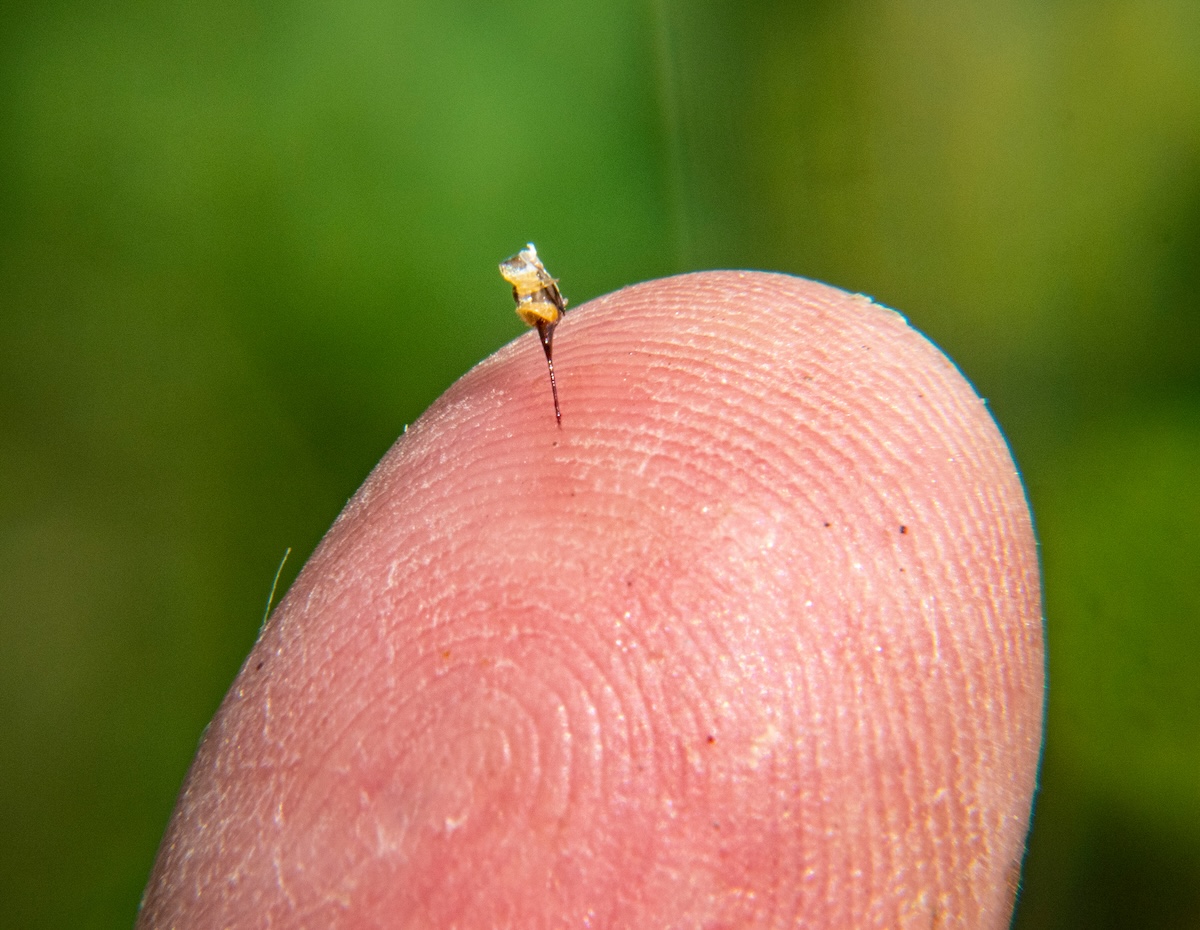
Unexpected encounters with bees are common in the African bushveld. Even if you’re hiking or relaxing at your lodge, knowing what to do when you get stung by a bee can save you pain and discomfort. Bee stings are unpleasant but manageable with the right first-aid steps. This guide shows you how to treat a sting, reduce swelling, and prevent severe reactions, all while enjoying your stay at Mbizi Game Lodge & Spa.
Immediate Bee Sting First Aid
Bee stings are common when you spend time outdoors, especially in the bushveld. Most stings are mild and manageable with basic first aid. Knowing what to do is important when camping, hiking, or exploring nature, where medical care may not be immediately available.
Although getting stung by a bee can be frightening, you can take simple steps to reduce discomfort. Act quickly. Use a flat-edged object, such as a credit card or your fingernail, to gently scrape the stinger out of your skin. Avoid tweezers, as squeezing the stinger can release more venom.
Wash the area with soap and water to lower the risk of infection. Apply an ice pack or cold compress for 10 to 15 minutes to reduce pain and swelling.
Over-the-counter pain relief, such as ibuprofen or paracetamol, can ease discomfort. Antihistamines may help with itching or mild swelling. Seek medical care if you notice severe swelling, difficulty breathing, or other unusual symptoms.
Quick Bee Sting First Aid Checklist
If you’ve been stung by a bee, follow these steps to treat the sting quickly and effectively:
- Stay calm and avoid panicking.
- Use a flat-edged item (like a credit card) to gently remove the stinger.
- Wash the stung area with soap and water.
- Apply a cold compress or ice pack to reduce swelling.
- Take over-the-counter pain relief such as ibuprofen.
- Use antihistamines to reduce itching or swelling.
- Seek medical help if symptoms worsen.
Bee Sting Relief Essentials
Not sure what to use when stung by a bee? These items can help minimise discomfort and reduce the risk of infection:
- Ice pack: for swelling and pain
- Calamine lotion: to soothe itching
- Hydrocortisone cream: to reduce inflammation
- Antihistamines: for swelling or allergic reactions
- Soap and water: to clean the sting site
- Avoid scratching: to prevent further irritation or infection
What Happens If You Get Stung by a Bee?
What happens if you get stung by a bee depends on your body’s sensitivity to the venom. Most people experience mild, localised symptoms like:
- Redness and itching
- A sharp, burning pain
- Swelling around the sting area
In some cases, bee stings can cause more serious allergic reactions such as hives, facial swelling, or difficulty breathing. Always monitor your symptoms and seek medical attention if they escalate beyond mild irritation.
What If You Have an Allergic Reaction to a Bee Sting?
An allergic reaction to a bee sting is essentially your immune system overreacting to the proteins in the venom. This can range from “annoying and uncomfortable” to “life-threatening,” and the speed of your response matters.
Types of Reactions
- Large Local Reaction: This isn’t technically a “systemic” allergy, but it is an immune overreaction. The swelling might cross a joint (e.g., you get stung on the finger and your whole arm swells). This usually peaks at 48 hours and clears in a week.
- Mild Systemic Reaction: You might break out in hives or feel intensely itchy in places nowhere near the sting.
- Anaphylaxis (Severe): This is a medical emergency. It usually occurs within 5 to 30 minutes of the sting. It involves multiple body systems (respiratory, circulatory, etc.) and requires immediate intervention.
Emergency Action Plan
If you or someone else shows signs of a severe reaction (trouble breathing, throat swelling, or feeling faint):
- Use an Epinephrine Autoinjector (EpiPen): If the person has one, use it immediately in the outer thigh. Do not wait for symptoms to get worse.
- Call Emergency Services: Even if the EpiPen works, the person needs a hospital evaluation because a “rebound” reaction can occur hours later.
- Positioning: Have the person lie flat with their legs elevated to maintain blood flow to the heart and brain.
- Second Dose: If symptoms don’t improve and help hasn’t arrived within 5–15 minutes, a second dose of epinephrine may be administered.
Why Does It Hurt When a Person Is Stung by a Bee
Curious why it hurts when a person is stung by a bee? The pain comes from bee venom, which contains proteins that affect your skin cells and immune system. These proteins cause inflammation, redness, and a burning sensation. The reaction is your body’s way of responding to what it sees as a threat, even though it’s usually not dangerous for most people.
Bee Sting Swelling: When to Worry
Some degree of bee-stung swelling is completely normal and should subside within a few hours to a few days. However, seek medical attention if:
- Swelling extends beyond the sting site
- The area becomes hot, red, or pus-filled
- You experience trouble breathing or chest tightness
For mild swelling:
- Apply an ice pack to the area
- Elevate the limb if the sting is on an arm or leg
- Take antihistamines to reduce itching and swelling
How Long Does a Bee Sting Last?
The “sting” itself happens in a flash, but the aftermath likes to overstay its welcome. For most people, the experience follows a pretty predictable timeline of healing.
The Typical Timeline
- The Initial Zap (0–2 hours): You’ll feel a sharp, burning pain immediately. A red welt usually appears within minutes, often with a tiny white dot in the centre where the stinger entered.
- The Peak (24–48 hours): This is when the itching and swelling usually reach their height. The area might feel warm to the touch and look a bit angry.
- The Fade (3–7 days): For a standard reaction, the redness and swelling should gradually recede. By the end of a week, most traces are gone.
To keep that timeline on the shorter side, follow these steps:
- Remove the stinger: Scrape it off with a fingernail or a credit card. Don’t use tweezers; squeezing them can actually pump more venom into your skin.
- Wash it: Use soap and water to prevent infection.
- Ice it: Apply a cold pack for 20 minutes to reduce swelling.
- Treat the itch: Hydrocortisone cream or an oral antihistamine is your best friend here.
How to Avoid Bee Stings
When it comes to bee stings, prevention is crucial, especially if you have known sensitivities. Light-coloured clothing can help reduce bee attraction when you spend time outside, especially where bees are common. Steer clear of wearing anything with strong fragrances that could attract bees, such as perfumes or scented lotions. Bees can also be deterred from visiting your area by covering food and sugary drinks.
Furthermore, be cautious when near blooming plants because bees are drawn to flowers in search of nectar. If a bee is flying close to you, stay motionless and composed. A protective sting may result from startling the bee with sudden movements or swatting. Remaining calm will lessen the danger of starting an attack and raise the potential that the bee will go on its own terms.
The venom injected into your skin following a bee sting causes intense agony. The proteins in this venom alarm your immune system, causing pain, swelling, and redness where the sting occurs. Most bee stings result in localised reactions like swelling and pain, but severe allergic reactions, or anaphylaxis, can be fatal and must be treated immediately. You need to know the difference between a typical reaction and a severe one for your safety.
What If It Were a Wasp Instead of a Bee?
Sometimes it’s hard to tell whether you were stung by a bee or a wasp, but the first aid is very similar. Wasps don’t leave a stinger behind and can sting more than once, yet the steps to treat the sting are almost the same.
If you think it might have been a wasp, follow these quick steps:
- Stay calm and move away from the area.
- Clean the sting site with soap and water.
- Apply a cold compress or ice pack to reduce pain and swelling.
- Take antihistamines for itching or mild swelling.
- Use over-the-counter pain relief if you’re uncomfortable.
- Get urgent medical help if you have trouble breathing, feel dizzy, or notice swelling of the face, lips, or throat.
Key Differences Between a Bee and a Wasp Sting
While they both pack a punch, bees and wasps play by different rules when it comes to chemical warfare. One is a “one-and-done” defender, while the other is a serial stinger.
1. The Stinger Mechanics
- Bees: Most bees (like honeybees) have barbed stingers. When they sting a human, the barbs hook into the skin. As the bee flies away, the stinger and venom sac are torn from its body, which eventually kills the bee.
- Wasps: Wasps (and hornets) have smooth stingers. This allows them to “sewing machine” their target, stinging multiple times in quick succession without losing their stinger or dying.
2. Venom Chemistry
The “recipe” for their venom is biologically different, which is why you might be allergic to one but not the other.
- Bee Venom: Primarily composed of Melittin, a peptide that breaks down cell membranes and causes the “burning” sensation. It is generally more acidic.
- Wasp Venom: Contains more Acetylcholine, which specifically triggers pain receptors, and Wasp Kinins, which cause blood vessels to dilate and lead to more intense local swelling. It is generally more alkaline.
Common Symptoms of a Wasp Sting
A wasp sting causes immediate, sharp or burning pain. You may notice redness around the sting site within minutes. Swelling and mild inflammation are common. Itching can last for a few days. For most people, symptoms stay mild and manageable with basic first aid.
First Aid Steps for a Wasp Sting
If you suspect a wasp sting, act quickly and stay calm. Move away from the area to avoid further stings. Wash the sting site with soap and water to reduce the risk of infection.
Apply a cold compress or ice pack for 10 to 15 minutes to limit swelling. Take an antihistamine for itching or mild swelling. Use over-the-counter pain relief if needed.
Seek urgent medical attention if you develop difficulty breathing, dizziness, or swelling of the face, lips, or throat.
Make Plans for a Secure and Exceptional Stay at Mbizi Lodge
At Mbizi Game Lodge & Spa, your comfort and safety come first. Choose from opulent lodging options like a private mountain villa or a self-catering cabin to unwind in after a full day of exploration. Savour the delicious food served at our on-site restaurant, which offers a gastronomic adventure influenced by the bold flavours of South Africa.
For us, your health, comfort, and peace of mind are our top priorities. Even if you’re planning a nature-filled family holiday or a romantic escape, we provide the perfect setting for unforgettable memories. Should you ever get stung by a bee, you’ll know exactly what to do to stay calm and safe.
Ready to Be One With Nature and Have Peace of Mind?
Contact us today, and make your booking!
FAQs
Knowing what to do when stung by a wasp is similar to handling a bee sting, minus the stinger removal. Clean the area, apply cold compresses, and monitor swelling. Wasp stings can feel more painful, but they’re usually manageable.
People often ask what to use when stung by a bee while camping. Cold packs, antihistamine creams, or simple remedies like aloe gel can help soothe the area. Avoid scratching, as it can make swelling and irritation worse.
If you’ve ever wondered why a bee sting hurts, it’s because the stinger releases venom into the skin. This venom triggers your body’s natural defence response, causing pain, redness, heat, and swelling around the affected area.
Many people ask what happens if you get stung by a bee. Most stings cause temporary pain, redness, and bee-stung swelling that fades within a few hours or days. The discomfort is normal and usually not serious unless there’s an allergic reaction.
If you’re wondering what to do when stung by a bee, the first step is to stay calm. Gently remove the stinger as soon as possible by scraping it out with a flat object, not tweezers. Wash the area with soap and water, then apply something cold to reduce pain and swelling.